Nogales: Arizona & Sonora
A border city in the slated shadow of an architecture built to be forgotten.
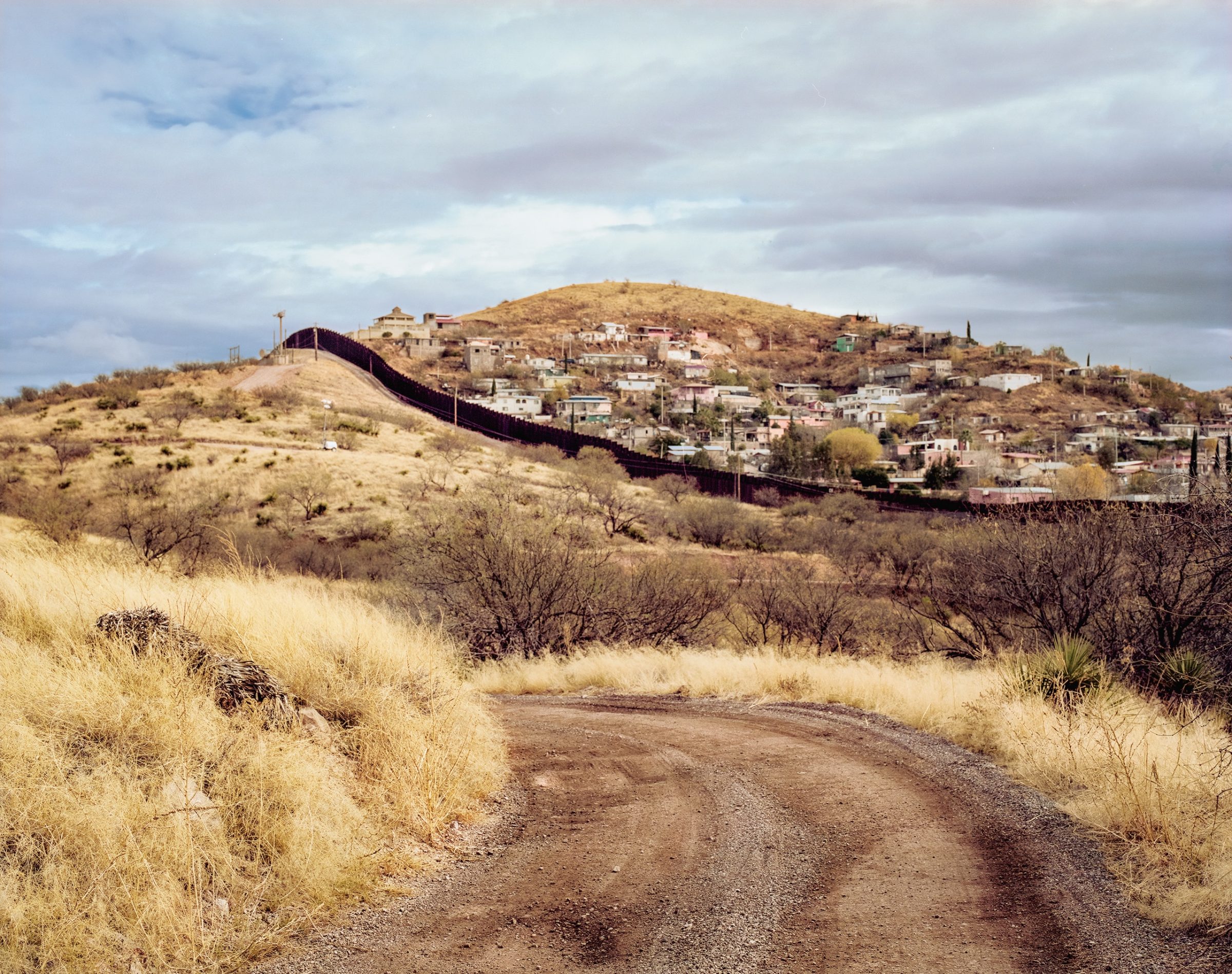
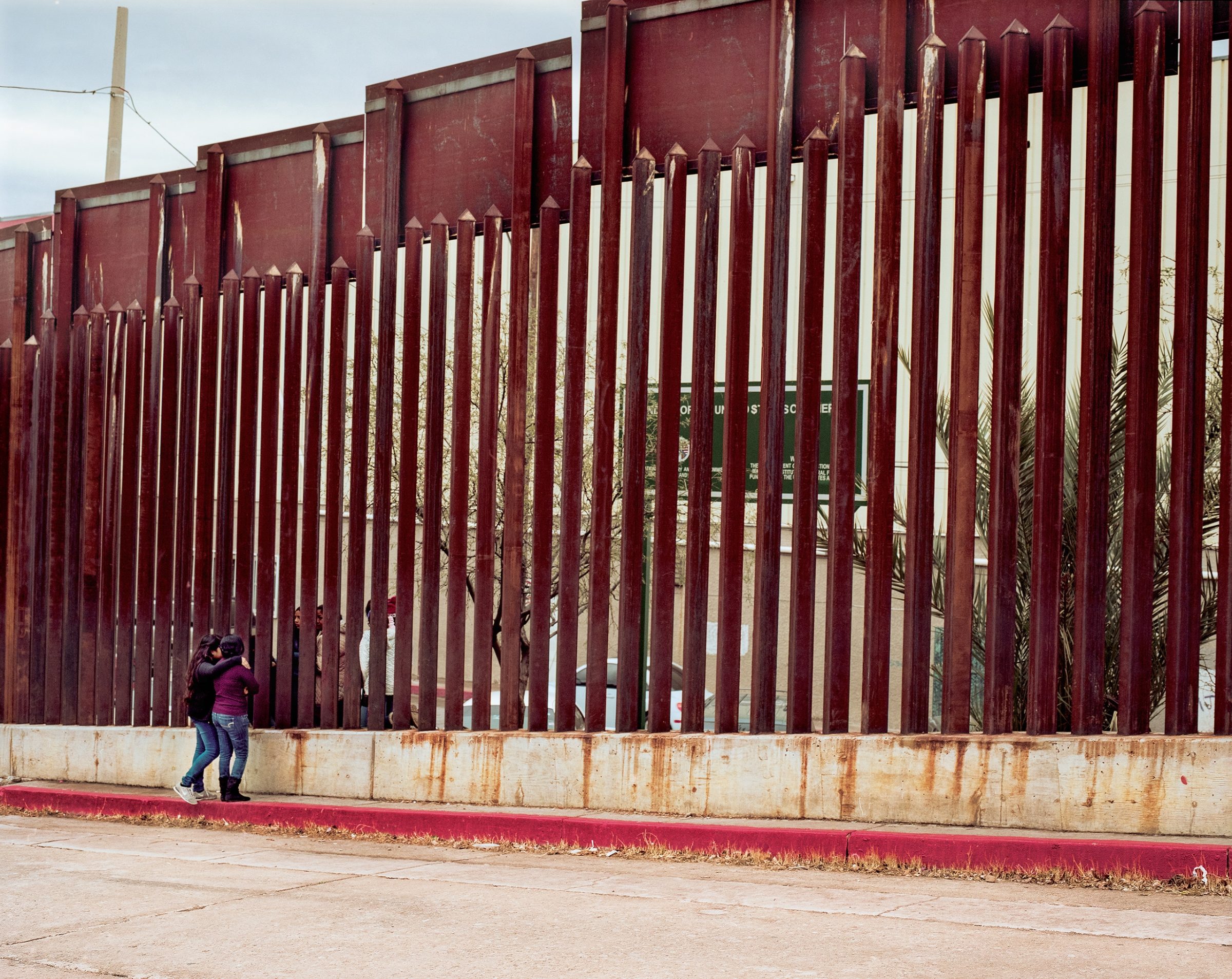
Nogales is in reference to a cropping of Walnut Trees that was found in a survey expedition by Major William H Emory in 1855 after the Gadsden Purchase in 1853 where the government of Mexico sold a 29,000 square mile tract of land west of the Rio Grande River and south of the Gila River to the United States Government for 10 million dollars. The purchase was the last step in achieving a complete manifest destiny by linking the eastern and western United States together with a railroad over the relative flat terrain. With the new land acquired by the Gadsden Purchase and the Treaty of Guadalupe Hidalgo, 100,000 spanish speaking Mexicans and 150,000 Native Americans were absorbed into the Jurisdiction of the United States during a time of political Antiimmigrant and Anti-Catholic Nativism back east. When Major Emory left the fort around the mountain pass of Walnut trees he named Nogales Pass, he left behind a pyramid of stones marked “26” with paint that established the site for monument 122 that served as a point that defined the southern extents of the purchase boundary and where entrepreneurs from both sides of this boundary set up commercial ventures around this monument.1 Over the next 50 years, newly built railroads brought in settlers into the purchase area, and the area in Nogales Pass became a city on both sides of the Border. A series of events during the turn of the 20th century has led the city on the trajectory that is seen in present day. The first force came from the Mexico, The Mexican Revolution from 19101920 created a period of social and economic instability that saw a migration of people north towards the Mexican/American border into lands that the grandsons of Mexicans came to American land held by their grandparents in these new american settlers possession. Secondly, as these new american settlers came into land frequented by apache and mexican people, animosity between these groups were common, and raids happened on new settlers land, Third, in an effort to get the United States into World War I, the British notified the United States Government of a attempted telegraph between the German Foreign Secretary Arthur Zimmerman and the Mexican Government for Mexico to Declare War on the United States, opening up a North American Front to the war.2 These semiotic ghosts manipulated American beliefs and the policy direction that was taken was brutish, with the insertion of American military forces to pacify the area, and the construction of the first stages of the border fence in 1915. The border fence was erected on the site of monument 122, marked by Major Emory 60 years earlier. As American Military entered the area, vigilante justice unilaterally raided and attacked the Tejanos with countless lynchings.3 So when one watches an American Western with a Sancho Panzo buffoon as a character or listens to a Donald Trump speech calling Mexican immigrants “Bad Hombres”, one can trace the manifestation of that racism to the period where the Gadsden Purchase created the community hysteria of semiotic phantoms created by anglo saxon anxieties that are tormenting the United States to present day. Nogales is a beautiful place. What is a border? What is it other than a binary opposition meant to reinforce our dominant and possessive ways of thinking. Crossing the border, other than the office that is staffed with the appropriate surveillance and officers projecting a level of dominance is meant primarily to project an idea of superiority to anyone who crosses it. I am supposed to feel lessor to the state in its ability to slice a dull, rusty Laceration thru the middle of a city, creating arbitrary estrangement in its inhabitants. The state has the ability to create these binaries at will, numbing people to its design and then forgetting that it ever happened because nobody readily seeks the feeling that this design causes. Nogales is beautiful because those who live in this city do with a elegance and hospitality that I have never really witnessed before, and they do so in the slated shadow of hideous architecture created by a state that disrespects their psychology with such a dulling architectural gesture.
Footnotes
-
Nogales : life and times on the frontier, Jane Eppinga, Arcadia Publishers 2002. ↩
-
The Zimmerman Telegram, The National Archives. https://www.archives.gov/education/lessons/zimmermann. ↩
-
Onion, Rebecca. “Texas Finally Begins to Grapple With Its Ugly History of Border Violence.” Slate, 5, May, 2016. http://www.slate.com/articles/news_and_politics/history/2016/05/texas_finally_begins_to_grapple_with_its_ugly_history_of_border_violence.html. ↩