Longleaf Pine
A millwork business, a Chilean forest, and the policy language that turned the Florida panhandle into someone’s balance sheet.

A few years ago, my wife son and I were staying with my in-laws in their spare bedroom in Orlando, Florida. The room was not much larger than the full bed and dresser that occupied it. It was an incredibly tough time for me, “unconscious despair concealed under the games and amusements of mankind.” I had managed to escape a family business by only defaulting on two personal credit cards and I was able to escape the personally guaranteed business debt through transfer in the company sale. I was lucky to dodge much of the real shit, but was forced to liquidate a lifetime of stuff. We were neither small nor large, but somewhere in the middle, a no man’s land, a place no business should be, with neither the capital to compete at volume with the big companies, but with overhead way too high to compete with the smaller ones. I remember shutting off my phone for days at a time, continually chirping with texts, emails, and voicemails: the end game of a family business where I spent the previous seven years swimming in an ocean of inexorable odds, panicked, and consistently desperate. I came back to this company after graduate school already aware of the brutal bottom-line orientation of the homebuilding industry. I spent my childhood traveling from McMansion to McMansion, drifting through the metro areas that spread this built environment over a fabric of cheap land, the lost minutes and hours externalized to a labor force, twisting in the wind.
There is all manner of frictions to capital movement in that business, waiting on checks to pay for materials, labor, and operational costs because the contractor did not submit invoice paperwork, or the client just sat on them or left town and didn’t handle the money part until they returned. I think I was ten or eleven years old when I attempted to understand the psychologies and systems involved in the game, how the homebuilder or general contractor affected the popular kid high school quarterback and the subs seemed to believe it, impressed by the projection of success. As I grew up, I came to understand that it was a chain and it worked its way upward. The trades envied the proximity the home builder had to the client, and the home builder envied the ease in which a client had the means to build a two million dollar home from scratch. The clients projected a bubble that could not be popped, with the children sheltered from realities of the world outside these place-made subdivisions. A little later, I revised my view on this chain of business that it was that this type of client was addicted to the status and was fueled by an easily afforded debt that pushed this wash of money down the chain. Those mental addictions feed the design and functions of the built environment and when I was a boy I told myself I would never buy in, but somewhere along the way I bought in, got chewed up and spit out.
We doubled down and leasing a CNC router, allowing us to cut more material than we ever had prior, as our other paid off equipment was showing signs of deterioration. For two years we found ourselves cutting through bundles of forest that came delivered to us daily in the back of semi trucks. I didn’t have time to wonder which exotic woodland it came from. As quickly as possible, unwrap that bundle, check the 100 sheets of melamine for defects, and feed it through the machine. Talking to our sales rep a few times to negotiate our bundle rate pricing, he delightfully gave me special rates, due to a new forestry products company’s new facility in Chile, dropping the cost by five percent. At the time I didn’t care where the material came from. I was trying to get on the right side of bulk discount purchasing. Everything that composed the finished millwork such as the screws, hinges and sheet material had to be budgeted. As well as the labor that cut and assembled the product, the percentages of waste product and how that corresponded disposal costs, job processing times, quickly installing projects with itinerant tradespeople on top of each other trying to get their work completed.
It had to be out of the factory so that I could invoice and hopefully collect payment, to pay for all of the raw material, leases, and payroll. Billing was the most critical part of my life. Some clients paid reliably to keep this treadmill going, but increasingly during that time, we were leveraged into net 30 or 45 days or even 60 days becoming the norm. It got to be too much of a financial burden to hold onto, as the credit required to keep up did not line up with the rate of cash flow. Days were spent managing the bills with account reps, managing the leases with little time for anything else. Just because we had a robot that we could program to cut our material for us, didn’t mean it was optimum, or even worked at all sometimes. The forestry products industry was slow to provide consistently precise thicknesses in the material we usually used. Our sheet products would vary in thickness enough to require reprogramming, so there weren’t tooling malfunctions, costing more time.
The software was clunky and proprietary with bugs and programming errors. We were lucky enough to get time with a software engineer who had written the CNC postcodes for the machine that we purchased, an Italian Cosmec 515. This robot allowed us to shrink our workforce roughly in half. Our lease payments were manageable at first. I continuously monitored the costs on a spreadsheet that kept track of those lease payments on the automated equipment to keep up with competitors and to keep employed who we could. Owning industrial equipment was like driving rare used European car that you couldn’t find aftermarket parts for, and when the machine went down, replacement parts went for boutique pricing and took weeks for the parts to arrive. Not exactly the type of trials a small business could withstand for very long.
Our company had endured for three generations; we didn’t have the pockets to survive in this climate as the costs were far too high. Even though we had quadrupled our output with half the labor, we could not produce enough sales to pay for it all. I learned how to build all manner of interior millwork products, price them, build using robotics that I got myself into debt over on my own, and figured out how to transport all this stuff around town. I never once considered the building blocks, especially the wood, where it came from, or its story.
Coming out of an experience of this magnitude is much in the same as the five stages of grief: denial, anger, bargaining, depression, and acceptance. I’d like to say I am over it, but honestly, I float between all five of these stages daily when thinking back to this part of my life. My mind always locks into the design of these systems with no one actor I can blame, my coworkers, my business partners, my family, the contractors, the vendors, or even the clients. I cannot blame the technology, or the government, or the president, or a political party. I can’t blame myself either. We are all actors in a poorly designed algorithm built on the premise that is growth-driven, extractive, and self-defeating. My acceptance lies in the fact that one day, one of two outcomes will emerge: 1) we will wake up to address this economic paradigm by creating more distributed modes of value-creation 2) One entity will be left standing over a smoldering pile of rubble.
There are better approaches to achieving prosperity in a digital business landscape. If we can get over our addiction to growth, we have the potential to move toward a much more functional, even compassionate economic system that favors money flow overaccumulation and rewards people for creating value instead of simply extracting it. But first, we have to acknowledge and address our current state of affairs, and the instability and insecurity under which so many of us are trying to function... For many of us, the current system, however convoluted, is better than nothing, and changing to one in which we must create real value is frightening. Most people are not cultural creatives capable of launching a business on Etsy, programming a new iPhone app, or growing artisanal organic yams. We work in cubicles managing spreadsheets, calculating sales targets, and budgeting ad buys--or in retail stores, on factory floors, and in warehouses--doing jobs that may have no application or value outside that single corporate setting. We are simply fighting to stay employed, pay our mortgages, save for our kids’ college, and make sure we have something left for retirement. And in spite of the digital boom--or maybe because of it-- it’s getting harder to do any of those things. The path to a better tomorrow must first make today a bit easier for us all. We have to take practical, baby steps. 1
I was laying in that small bedroom one night not able to sleep and began to go thru Netflix titles. I was into wanderlusty travel documentaries, with one recommended being “180 Degrees South: Conquerors of the Useless,” written and directed by Chris Malloy. The film follows the journey of Jeff Johnson retracing a trip by boat from Ventura, California, to Patagonia, Chile, made in 1968 by Patagonia founder, Yvon Chouinard and North Face founder, Douglas Tompkins. One plot point in the documentary told a story of Chilean big wave surfer Ramon Navarro: a story in which a zero-sum game formed in my head between his family and mine in an industry dependent on the products in his family’s backyard in another hemisphere. His family spoke of the transformation of their land as the forestry products industry came to their hometown in Chile; the same factories that sold to the distributors that imported the forestry products I used to buy.
I remember drowning in my sorrows until watching that movie, then realizing that the actions of my bubble, my desperations, my costs, my business were on a reasonably large scale directly responsible for the degraded life of others on the other side of the Earth. I remember how isolated I felt in that operation--anxious, chronically sick with a cough and with neck and back pain. I would step outside the office for fresh air, where I could only see the rooftops of adjacent light industrial warehouse buildings catching the tops of pine trees that were the lone survivors of a vast forest. I would tell myself repeatedly, “if I knew what others were doing, maybe I could make better moves to run a profitable business and be happier.” I never found out anything valuable; I used that automated machinery to take truckload after truckload of Chilean panelized forestry products, transforming it into a variety of architectural millwork pieces on a high-volume, low-profit business model. I was locked into that system and never once considered that those sheets of material were once part of similar mixed broadleaf and conifer forests nearly the same as those adjacent trees I always stepped out of the office to admire.
I believe the research aspect of this project comes from this moment that I was not locked in the prison of running that business. I had been set free to see the forest for the trees. Instead of worried about the trivialities of running a company that was on the wrong side of an exponential growth paradigm on a tragically sublime blue speck of dust. I was free to ponder what I had once done to place my actions on a much longer timeline of development to speculate a future outcome at best, cataloging the final erasure of the physical world at worst. Sitting in that small spare bedroom soaking in blue light, I didn’t realize I’d be standing in another forest I helped cut down one year later.
The Stand at Foley Beach
I didn’t have the urge to take any pictures on the first day; I never do on these trips. I am worried about how our car is running, if we left the house in good shape, what day of the week it is, how many days we have. It usually takes me a day or two to begin to see the color, the setting, the narrative, the pace. We drove east this time. East on I-10, then Highway 90 thru Houma and the swamps. Past New Orleans. Driving through Mobile in the afternoon. Pushing into the last moments of light in the evening, we were on the Foley Beach Expressway, and a ridge to the east stood a tree stand, the tallest trees being approximately 20 years old. A shelterwood slash pine farm ready for harvest. I knew absolutely nothing about silvicultural practices in the southeastern United States nor the long history of this forest, but the configuration of these trees and how they caught the light compelled me to stop and hang around the edge of this piece of private property along the road.
The greens, with highlights in oranges and yellows, the shadows in cold blues, felt superficially ecological. The arrangement of that pine stand hanging out on the ridge felt hacked, adulterated, edited. It felt young as if that stand had no long-term memory. A scale model of a brain map displaying hippocampal atrophy of which I was a rubbernecker. Staring through the empty slats of the stand suffering from my retrograde amnesia, ignorant of what laid here before my being here. Before Arvida Corp, Peter Rummell, St. Joe Paper Co., Ed Ball, Alfred Dupont, Dixie Crusaders and fire prevention. Before the Lombard Steam Hauler, Scots Irish immigrants and freed slaves, who ran turpentine still camps, before the Spanish or even before the first people stepped into these stands 15,000 years ago. Are these the trees, was this the scale, is this a healthy condition? How would I even know?
It was much later that I found that the trees that were there were not the dominant species and in fact, the original forest was massively endangered and hidden in the stands of new growth slash pines used for a variety of applications: paper products, mulch, construction products, and much more. The longleaf pines, cypress, and oaks, some of which 1,000 years old hiding in the walls of green stands illusive.
Fire and the Neolithic Forest
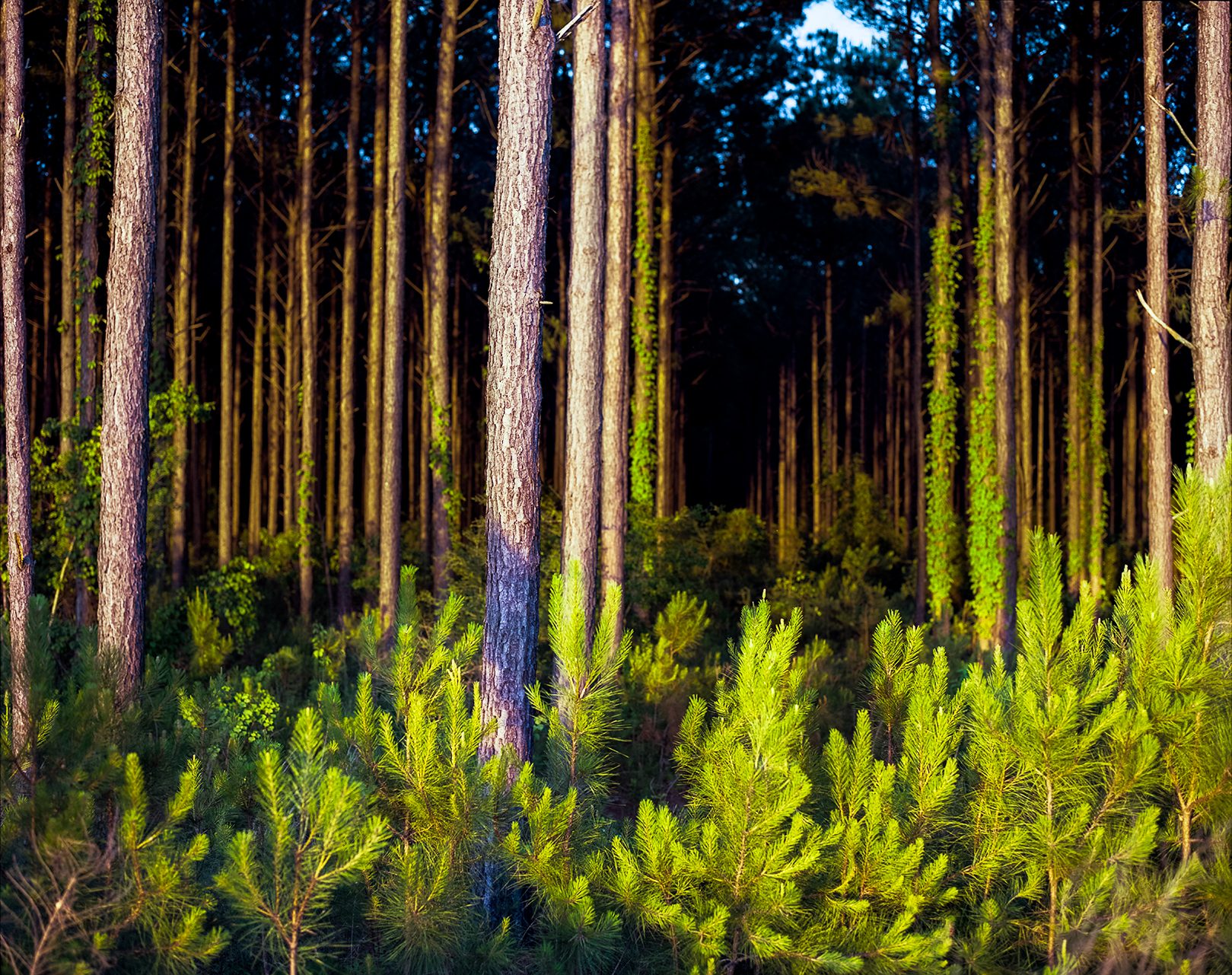
Climate change is a byproduct of humanity. Evidence strongly suggests anthropogenic fires were crucial to forests around the world in the global transition from Paleolithic hunter-gatherer cultures to Neolithic city states circa 12,000 BCE. Humans use of fire transitioned the Earth from the Pleistocene Ice Age to the Holocene interglacial epoch. Archeologists recently found,
hunters throughout Europe from Spain to Russia; were capable of altering the landscape. This first large-scale impact of humans on landscape and vegetation would have begun to take place 20,000 years ago before the industrial revolution. They deliberately lit forest fires in an attempt to create grasslands and park-like forests. They probably did this to attract wild animals and to make it easier to gather vegetable food and raw materials. It also facilitated movement. Another possibility is that the large-scale forests and steep fires may have been the result of the hunter’s negligent use of fire in these semi-open landscapes. 2
Forests around the world show similar evidence of anthropogenic manipulation to aid the formation of global agrarian-based societies. The southeastern pine and broadleaf forest was a 10,000-year development of neolithic silvicultural practices, strategies that are common in cultures around the world.
Found throughout in tiny croppings on private properties in 20-30 mile swaths of sanctuaries managed by the USFS, longleaf pine forests during the beginning of European settlement were the dominant species on around 30 million hectares of land stretching from southeastern Virginia to eastern Texas. The woodlands formed in a much colder climate 18,000 years ago during the Wisconsin Glacial Maximum that built massive ice sheets to the North. Enormous glaciation and their proximity provided much colder and drier conditions than the present day. As the glaciers retreated, the climate fluctuated between cold and warm rapidly, and species began to migrate northward and westward from their Ice Age refuges. Anthropogenic burning by native civilizations began to form distinct regions between the coastal pine forests and the Midwestern grasslands during the Hypsithermal Period 7500-5000 BCE.
By 1,400 CE, an estimated two million Native American inhabitants lived in the southeastern coastal plain, using fire to manage the forests. Evidence suggests from historical accounts that they burned locally around settlements to reduce fuels and protect themselves from wildfires. They also influenced the character of the broader landscape by using fire to enhance wildlife habitat and increase wildlife populations, aid in hunting, aiding the growth of berry and nut producing plants, maintain open savannahs for ease of travel, and protect themselves from ambush by predators and enemy tribes. Frequent burning reduced biting insects, improving the quality of health in settlements. Early hunter-gatherers of the Clovis and Late Paleo Period initiated a burning pattern that would dominate the southeast until 1,500 CE when European and African diseases migrated to the Caribbean, Central America, and the Southeastern United States. These illnesses spread across the landscape faster than European settlement by roughly 100 years. When the explorer Hernando de Soto marched his army of 600 men across the south in 1539-1542, he found villages of Native Americans already decimated by disease. Mortality rates of 95 percent have been attributed to smallpox, typhoid, bubonic plague, influenza, mumps, measles, and hepatitis. The Mississippian Culture Collapsed by 1,600 CE and set the stage for the European management of the southern forest region.
Fire-dependent plant communities developed that not only required fire for their maintenance but encourage future understory fires. Tinder provided by bunch grasses and resin-packed leaves and branches of the pines ensured that fires started freely and spread quickly across the landscape. Disturbances to the land were frequent, such as lightning strikes, hurricanes blowing down timber that had the potential to concentrate fuel loads in local areas allowing for fires of greater duration and volume. With the decline of Native American populations in the region combined with the still limited European settlements, fire management became a less common practice, confined to smaller areas. Prairies that Native Americans cultivated grew to mixed hardwood forests. Fires became more intense due to more substantial fuel loads, shifting the movements of dense forest and open prairies developed by fire. Once Europeans began to settle the southeast in more significant numbers fire management resumed. Immigrants were primarily from western England, Scotland, and Ireland populations that used burning and open range herding was custom imported to the southeastern United States. Controlled burning achieved much of the goals of the precedent Native American people, improving farming, herding, and hunting activities. However, the introduction of livestock especially feral hogs competed with indigenous wildlife for forage, which had a damaging effect on the woodland ecosystem. Pigs foraging patterns along with exponential population growth left large swaths of grass, plant life, and tree saplings upturned, eroding forest growth.
Masts, Turpentine, Cut Out and Get Out
The extraction of gulf coast maritime forest resources date back to colonization efforts of the English, French, and Spanish sailing ships using pines, oaks, and cedars to repair their wooden sailing vessels. The chemical composition of the trees also produced naval stores from the sap of longleaf pines, chemical materials that were used in the maintenance of the ships while at sea, such as cordage, turpentine, rosin, pitch, and tar. Sailors while on shore cleared as much of the forest as they needed to produce the material that could repair rigging as well as making stills that would boil wood pulp to create pitch for caulking and rosin coatings to protect from rotting while on the open ocean. As early as the middle 18th Century many colonial powers’ boats began to cut down the old, sturdy, and straight longleaf pine for the masts of their towering wooden vessels.
The longleaf pine was perfect for the construction of tall masts. The wood of choice for the lofted structural beams and deck planking was the live oak and cedar after white oak resources in the northeastern United States had been depleted. The 3rd frigate constructed of the original six directed by the Naval Act of 1794, The USS constitution used live oak panels from Florida panhandle live oak to maintain her exterior planking. She was nicknamed old Ironsides because cannonballs fired at her broadside would bounce off the solid live oak decking. The longleaf pine forest of the southeastern United States was as strategically significant as Titanium deposits would be for the 20th and 21st centuries, responsible for the marvels of the aerospace industry. Territorial officials were appointed to protect the strategic naval oak reserves from foreign poachers, called “live oak pirates” who made off with the timber for their vessels.
After the civil war, the turpentine industry exploded employing and indenturing freed slaves, Scots Irish immigrants to mind the stills in labor-intensive conditions in the remote Florida Panhandle. Workers would scar the longleaf pine trees by stripping away the bark in a process known as cat facing, allowing the gum from the tree to bleed out from the scarring. Laborers would attach gutters to the marked tree to collect the seeping resin; this resin was distilled in a wood-fired still to refine the bled sap into pine tar that could produce paint, soaps, medicine, and cosmetics. Late into the 19th century localized sawmills scattered across the Florida Panhandle industrialized due to a variety of new steam-powered technologies--most notably steam wagons like the Lombard Steam Hauler invented in 1901--placed a high torque steam engine on tank treads allowing for lumberjacks to haul the giant logs great distances to canals and mills for processing. The longleaf pine was a highly prized commodity and the focus of this industrialized extraction. The longleaf was a robust and dense wood imbued with resin that made it resistant to rot. The beautiful honey hue and absence of knots made it highly valued for timber. The stout material was used for flooring, staircases, and beams in the architecture of the late 19th century. This steam-powered extraction technology was not limited to the Longleaf Pine. Stands of Cypress, many of which were more than 1,000 years old became exploited.
Known as “cut out and get out operations,” these logging ventures began in the 1870’s and persisted in the complete stripping of the southeastern mixed broadleaf forests until the 1920’s. Lumberjacks operating crosscut saws falling tree after tree, skidding them back on modular, small-scale railroads and steam haulers that could be easily set up to exploit a region, then dismantled to transport to another area. Man made canals, and natural rivers like Florida’s Apalachicola River also transported felled logs to sawmills, packing these waterways with yellow gold. “Sometimes logs could escape the bonds of the raft and the dense, green timbers would sink to the bottom, where some still lie today, perfectly preserved. As much as ten percent of the lumber was lost in this fashion and is being retrieved today as entrepreneurs of “deadhead logging.” 3 Deadheaded longleaf timber has an archival used in the preservation of historic properties that implemented balloon framing on the exterior walls of which the longleaf pine was the original building material. Balloon framing utilized vertical 2” x 4” for the exterior walls that extended uninterrupted from the foundation to the roof. This construction technique became a standard in the 1870’s with the large-scale introduction of the longleaf pine timber to the market, providing a seemingly limitless source of long, straight, and dense building material that greatly expanded the production of housing at a cheaper cost, eliminating labor-intensive mortise and tenon style construction techniques. Today balloon studs are for sale at lumber yards that specialize in sourcing old growth woods at luxury pricing. This 40 year period of cut out and get out forestry practices, along with the ignorant practice of fire suppression left a depleted and sandy landscape.
Poet laureate Sidney Lanier commented, “Today they set up their shanties and stills, quickly they cut down or exhaust the trees, tomorrow they are gone, leaving a desolate and lonesome land.” 4 The rolling back of the forests was also met with the over hunting of many species of animal with accounts of people shooting animals to extinction, shooting the last duck and the last turkey, leaving their children with no hunting prospects left in their communities. The most prominent naturalist of the time John Muir, remarked on the necessity of a conservation ethic, “Nature was neither a commodity nor a resource nor a playground but something akin to a cathedral.” 5
In the early 20th century, scientists deeply concerned with the runaway destruction of American forests realized that many species of timber including the longleaf pine could no longer proliferate on its own, that the practice of turpentining had weakened the trees to the point of no return. Scientists and policymakers in the United States ideated solutions to the potentiality that the United States would run out of timber. Two competing ideas emerged: the first a national forest reservation similar to the Naval preserves of the 17th and 18th centuries warding off poachers of marine lumber. The second, a fostering of the fledgling biotechnology and silvicultural sciences, developing a myriad of new uses and products from the trees, and sustainable practices of developing saplings, planting of desolate land, and sustainable harvesting strategies. The second solution was massively capital intensive and would not yield profits for at least 30 years and would require the deep pockets gilded age industrialists, most notably The Dupont and Ball family alliance.
The DuPont–Ball Alliance
Being a Ball, he is naturally a gentleman, and excuse me from living with anybody less. He is a little pig-headed--another ball feature (also a DuPont feature, I being the exception)-- so it is necessary to bat him over the head with a club once in a while; but he has a well-balanced cabeza and is a fine, loyal, as tenacious as a bulldog on a tramp’s pants-- all the qualities appealing most strongly to me6.
The partnership between Alfred Dupont and Ed Ball made a formidable alliance. Ball had a youthful energy and an unrelenting business acumen. The older Alfred had the name, the education, and the experience with large accounts. Despite his bad business dealings with earlier partners and IRS trouble, still had the capital to make a sizable stake in any industry he wished. A further scrutinization of Alfred’s finances occurred after the cousin and previous business partner Pierre was elected tax commissioner in Delaware, forcing Alfred to relocate his interests out of state. In 1926, the three new partners chose Florida, fresh from the recent collapse of a land boom that had formed along the extensions of the Florida East Coast Railway, beginning at the turn of the century, linking West Palm Beach, Miami, and Key West, opening the land up for rampant speculation.
Before the Land Crash, Jessie had played the game, flipping two Miami beach for a 127,000 dollar profit7. The three partners decided to settle in Jacksonville, a city large enough to conduct their financial operations that stood at the doorstep of a vast swath of raw land in the Florida panhandle, far cheaper than the resources that laid on it, despite the cut-out and get out exploitation that occurred. At that time transportation infrastructure made possible in the south by the Florida East Coast Railroad did not construct track in the panhandle, eliminating the ability for the land to be in play for a quick buck market. For the region to be a prized real estate endeavor, transportation and communication infrastructure was necessary to the region; It wasn’t that the trio was early to this party, they were the hosts, and had to set the venue, the terms, and draft the invitations.
Alfred used his name to garner favor in the banking community in Jacksonville, Brother In Law Ed went on a series of scouting exhibitions in the raw land, looking for strategic plots to purchase. Alfred used his political prowess to found the Gulf Coast Highway association in 1927, becoming its first president. The office for the organization was set up near the state capitol and became a lobbying effort to drive transportation infrastructure to strategic points in the panhandle, finally linking the settlements of the panhandle together with U.S Highways 90,19, and 98.
Ed laid the groundwork for the new long-term venture by going on a series exhibitions, getting the lay of the land in this vast undeveloped region, simultaneously de-investing from original DuPont business interests while making a series of massive land deals totaling more than 500,000 acres by 19338. Shortly after, The duo set up the land deals in Port St. Joe that secured the foundation of the St.Joe Paper company. Newly elected President Franklin D Roosevelt proclaimed an area of 630,000 square acres the Apalachicola National Forest in 1936, then using the Federal government to help finance the construction of the new paper mill. These moves eventually led to the purchasing an area five percent of the entire landmass of Florida.
A duality of thoughts emerged. One a ruthless attention to the bottom line to obtain the best deal. the other, an altruistic societal ethic, devoted to the improvement to the uneducated and impoverished that resided in the region, and a desire to repair the damage done to the ecology. Motives oscillated between the two extremes and provided a texture that the region endures to present day. After returning from a prospecting trip, Ball noted, “ What I was finding was almost like that fellow wrote about in Tobacco Road. Most people out there lived on a little plot of ground, usually in a house that had no amenities, and had likely never seen a coat of paint. Most of their living came off the land, maybe with a scrawny cow or two, a garden with beans and greens, and usually they’d hunt and fish a lot9.” In 1935, after falling ill, Alfred passed away at 71, using the final 15 years of his life rebounding from the bad business fortune that forced him from Delaware, amassing a fortune of 56 million dollars10. Alfred split up his fortune by bequeathing 5000 shares of Almours Security Stock, valued at the time for 750,000 dollars to Ed Ball and his four children. Alfred then specified that the remaining of his estate be left to create wealth in a trust to generate income for the Nemours Foundation. This charitable organization Operated for many years by Wife Jessie that operated for the care and treatment of disabled children, “but not of incurable, or the care of old men or women, and particularly old couples, first considerations, in each instance, given to beneficiaries who are residents of Delaware.” (pg50). It has been a topic of debate in the many years since that if the organization has been run at times towards the wishes or per the will of Alfred DuPont. In 2012, the state of Delaware filed suit against the Jacksonville based trust over not receiving their share of the proceeds. They allege that 72 million dollars was improperly counted against Delaware’s share of Nemours Foundation distributions, rather than taken off the top before distributions. They also claim that more than 100 million dollars for corporate and shared services was attributed to Delaware’s share of the annual trust distributions from 2005 to 2010, compared to only 19 million for the state of Florida11.
Alfred Dupont’s decade in Florida before his death set up Ed Ball’s management of Alfred’s new ventures for the next 60 years in the forestry products industry. After Alfred’s Death, Ed Ball quickly assumed leadership for Almours Securities and focused his efforts on bringing online the signature centerpiece of their operations, construction of a state of the art paper mill in Port St Joe, Fl. Rather than embarking in this process alone, Ed was looking for a partner company that could share in the considerable capital required to bring the mill online as well as a partner with previous knowledge of the forest products industry. Almours Securities brought the strategic land, forming with a limitless supply of raw material, as well as a localized understanding of the region. The Mead Company emerged, a firm that had been operating in the paper business for 100 years. In the deal, Mead was to design and manage the mill with Almours providing the mill site and trees. Each firm put up 1 million dollars of the estimated 6 million that was projected to build the facility. In 1936, the St. Joe Paper Company was formed as a joint venture between Mead and Almours with the new company getting to work cutting in new canals to move cut trees to the mill and dredging the surrounding bay to accommodate large going ocean vessels to provide shipping. Alfred, before his death, had expressed interest in developing the community surrounding the mill with housing and schools and was an item of interest that attracted Mead to the project initially, as it was seen as necessary to draw the labor needed in the successful operation of the new facility. A press release hyping the imminent opening stated that with financing from the Almours side of the partnership, would pour millions into the improvement of the St. Joe community, distinguishing it from other operations in the works in the Southeast. Including new homes, parks, schools geared towards the working poor and middle class who would be working the plant12. A deviation from Alfred’s Altruistic vision occurred when Ed Ball pursued none of this plan because “the economics of such building was just not there13.” Ball believed that the millions of dollars that would have been tied up in investing in the workers that would flock to St Joe to operate his plant would be better used in the large start-up costs of the facility, housing, and community development costs were not provided by Ball and Almours. As Mead began construction of the plant, there was still no sign of workers housing. Mead began pressing for answers with animosity rising over the change in strategy, to which Ball, “reminded his associates that he made it clear on several occasions that his company was not going into the housing business14.” Finally, Almours slightly conceded, offering to sell lots it owned at a discount to buyers who agreed to build within one year with the Federal Housing Administration providing a mortgage insurance plan that helped workers finance their homes. Despite these measures, the new company town would be faced with a shortage of workers housing for years afterward. In 1938, in the middle of the depression, the factory opened, bringing well-paying jobs for skilled workers imported to the region from other cities, while unskilled workers recruited locally were set to work in back-breaking conditions in the wood yard hauling logs for processing.
The factory instead of trying to extract naval stores from the trees focused on the volume operation of producing cellulose for kraft paper in a wide variety of cheap packaging products from grocery sacks to cardboard boxes. First, workers sheared the bark from the felled logs, then the logs were chipped up into uniform pieces to be boiled into cellulose fiber in cookers using vast amounts of water from the Floridan Aquifer. As production of the plant increased, the water table was taxed into extreme deficit, drying up surrounding springs, causing one of the numerous water wars that consistently plague the state. Once the pulp was further processed to align the fibers, it was pressed into large rolls of brown paper ready for shipment. Numerous byproducts had to be collected during the process, the three primary chemicals stored in tanks were called black, green, and white liquor.
White Liquor was a highly alkaline agent used later on in the kraft paper process, breaking down the cellulose creating black liquor and green liquor as a byproduct. Green liquor was the dissolved smelted solution of sodium carbonate and sodium sulfide remaining from in the boiler after the processed pulp was removed, green liquor gives the signature fart smell of a paper mill. Black liquor was a chemical waste product in the kraft paper process, eliminating agents that yellow the paper over time. Black liquor was created in the removal of lignins and hemicelluloses to free up the cellulose fibers for processing. Byproducts formed from the kraft process were immensely requiring new uses to find for the chemicals, with one ton of processed kraft pulp producing one ton of black liquor.
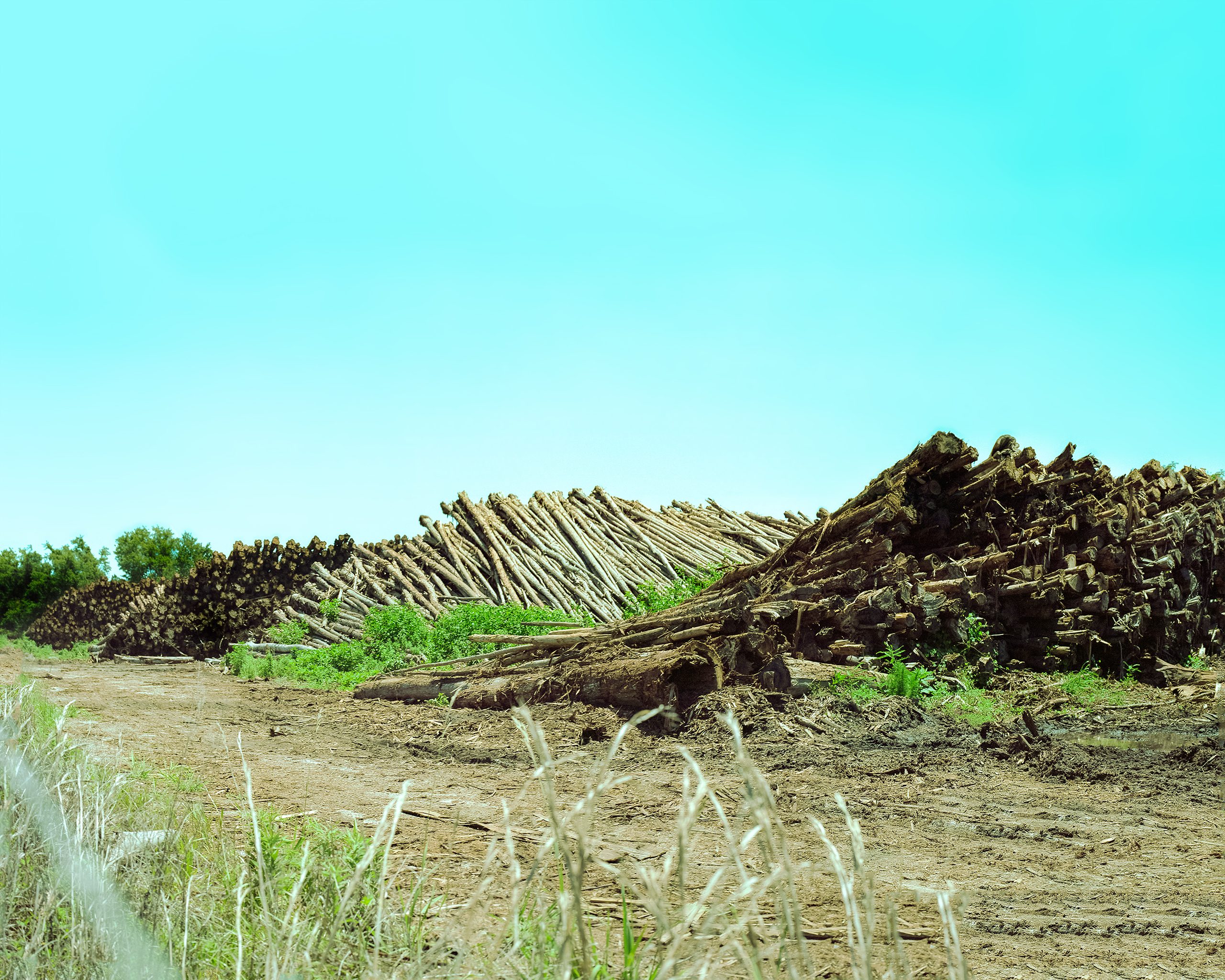
The paper mill is a rooted operation that requires a consistent and constant supply of trees to remain in profitable operation. The developing scientific field of silviculture was implemented to turn the land depleted in the 19th century into productive property. For years, Alfred and Ed produced demonstrations outlining the process of a silviculture nursery to local landowners to tepid reception, as the process was incredibly labor-intensive and would not yield a profit for 20-30 years. While the larger landowners came to value the idea when the mill came online, the smaller landowners could not wait for such a payoff. The St. Joe Company began buying out land for the operations then hired a forestry workforce to supervise the farming operations. The government pitched in by allowing labor from the Civilian Conservation Corps and the Works Progress Administration, Great Depression era labor initiatives to aid in the development of the area. Areas that had abandoned farmland or clear-cut forest stood in 30 years time more than one million acres of rows of new trees, standing in uniform rows like soldiers. These new trees were not biodiverse like the forests that once stood for 10,000 years, instead, a monoculture slash pine forest developed for purely extractive measures. The longleaf pine did not fit into the company’s plans for a productive forest; it took too long to mature into a usable product. The longleaf pine takes 40 years to grow to a harvestable size, spending its first years driving its taproot deep into the Florida soil, while the Slash pine will take 25 years to develop into a harvestable tree, fulfilling the needs of the bottom line. The old growth Pine, Oak, and Cedar with some trees as older than Gothic and Romanesque Cathedrals that were once the titanium of the colonial age were now not useful in this particular business operation.
The land was promptly cleared and replaced by the quick growing slash pine, which led to various conservationists to implore the company to preserve some of these dwindling stands, which was met with the company quickly clearcutting the stands. It is a massive dilemma to judge this ecological period, in which planting the forest back was better than doing nothing. This action led to the near complete destruction of the original old growth, causing the longleaf pine to exist at 3 percent of its initial rage, for the sake of some black ink.
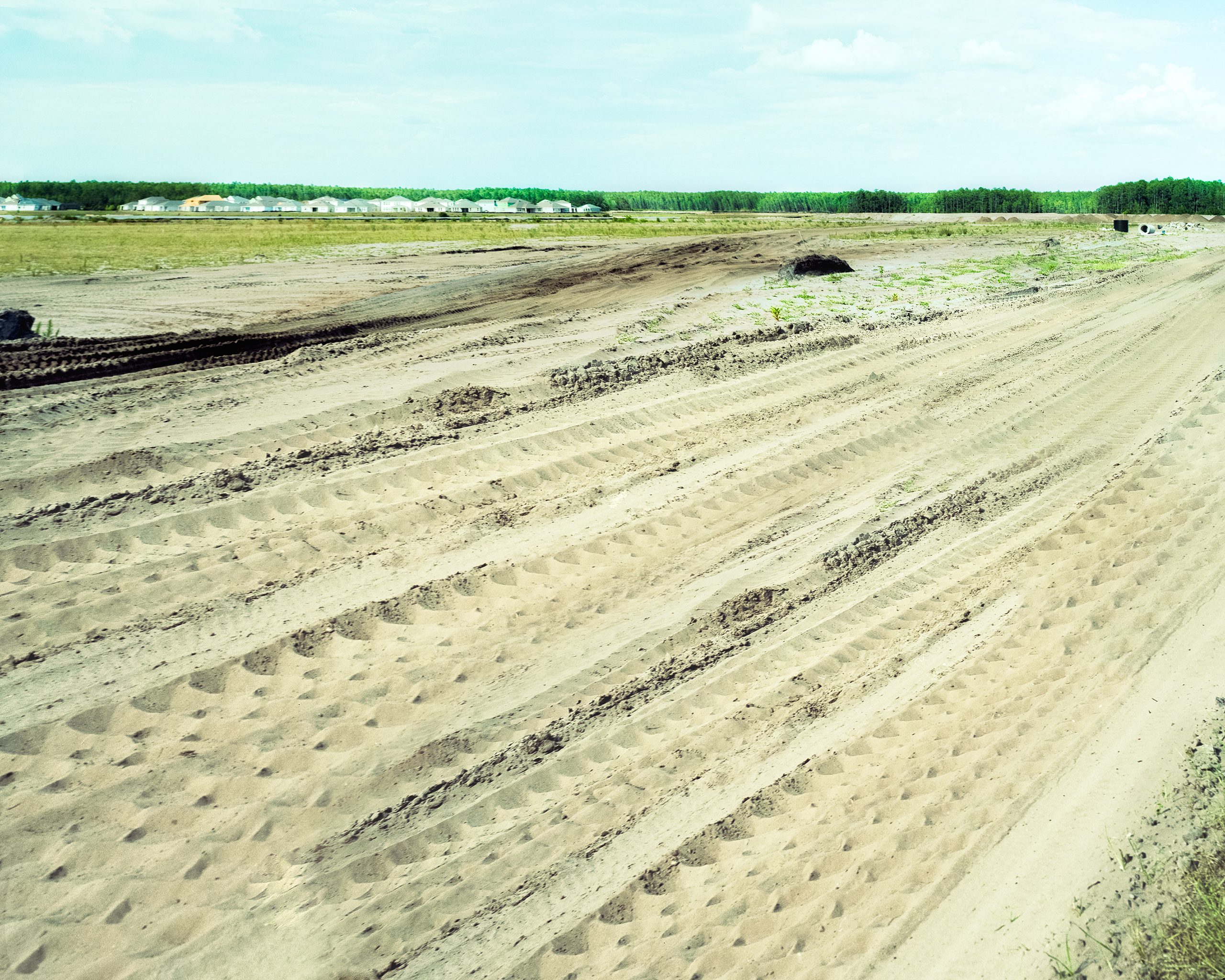
At the end of Ed Ball’s death, the company had amassed a billion-dollar empire and owned five percent of the state of Florida, most of which was located in North Florida. The postwar period saw an increased competition and pricing collapse in the forestry products industry, with cheaper stands to exploit elsewhere, in places like Chile. The land was worth more with the trees cleared, being developed to create fresh, brand new residential developments. Allowing for exponential profits, taking land that was initially bought for as little as five dollars an acre to be place-made with dreamy names that could be packed with multiple $500,000 properties.
St. Joe, and the Price of an Acre
Trees from Chile produce construction materials that ship to the Florida forest, while the Florida forest is clear-cut strategically to make room for the new black ink. A missing component from the Ed Ball era is the volume of land management that had to be performed to maintain the forest, which has increased the size and severity of forest fires in the region due in part to new residents apprehension to prescribed burning in the woods surrounding their investments. Instead of worrying about these concerns, a regime of exponential growth in the real estate market has washed over the panhandle region, with the remaining stands under threat that had now been sold back to the state and national government at substantial markups. In its effort to liquidate land in this real estate transition, St. Joe sold off vast land holdings for much more than the original prices they had bought the property for in the 1930’s, after decades of subsidy to build roads, the purchasing of the Florida East Coast Railroad, and purchasing of the Florida National Bank.
The company was set to move hundreds of thousands of acres for prices approaching $3,600 an acre. St. Joe Company became infused with close to half a billion dollars in capital to transition their plans from a silviculture and forestry products giant into a real estate empire. Much of this land became privately held in the form of hunting retreats fencing and privatizing this land. The Bert Harris Private Property Act passed in 1995 set in motion the current private property climate in Florida against regulation imposed for the benefit of the public at large. Named after citrus farmer and property rights advocate Bert Harris, this legislation opened the way for landowners who were unable to obtain reasonable investment-backed expectations. It gave authority to the landowner to sue local government or state agency when a landowners property depreciated by 40 percent or more as a result of a new zoning, growth management, or environmental decision. This piece of legislation curtailed government agency’s ability to create checks and balances on private growth, allowing the explosion of Florida real estate and construction markets.
Eliminating regulatory bodies from the individual decision-making process is a lot like cutting the brake lines from your car and jamming a brick under the gas pedal, allowing the car to speed down the road until it drives off a cliff. A Florida sprawling out of control will create a myriad of financial, ecological, and livability problems that are not unique to the region at all. The Harris Act was merely a subsidy to the landowner at the expense of the public community, in the name of “smart growth.” Changes have been made to these policies, creating the Growth Management Act of 2011. This act has weakened a series of statutes designed to manage the conservation of land that has a prolific precedent of degradation, creating economic markets for the sake of jobs without paying for long-term investments like public schools, public land, or land conservation that benefit the public at large. The language of the document is a work of metaphysics of presence. In western culture, a common principle utilizes a transcendental signified in its argument that is held unarguable and divine. The notion of a God-Word that underlies all philosophical talk and guarantees its meaning. It presents the argument in present terms, as if I am talking to you now, at this moment and expressing my current emotions and spirit, and am expressing my true self. In the case of these two acts, purports its beliefs in a “smart growth” contingent on whatever the landowner believes at the time of the transaction, and by extension purports “dumb growth” as legislative regulation or negotiation for the public at large in the absence of language. Smart growth holds the center of the binary to mean anything the landowner says is correct, anything the landowner wants is divine, and whoever owns the most land is more divine than whoever owns less land. Smart growth is whatever the landowner defines in the process of the places they make. Developers cultivated their subdivisions like the silviculturists of old, with buyers selecting their homes from style books with vaguely regional architectural styling. Florida’s legislative decisions defined the real estate market for the entire country. This account is how the early 90’s thru the 2008 financial collapse operated. Growth bounded, labor nickel & dimed, worked paycheck to paycheck, homebuilders flipped lots on credit until the music stopped. Bottom lines constructed on a foundation of high-income properties, with little social investment made, causing affordable housing shortages for the people who build these products.
What is it about on-site affordable housing that makes developers flinch? It is a combination of things: inaccurate perceptions that affordable housing is synonymous with public housing projects, old-fashioned snobbery, tying up land that cannot appreciate in value as rapidly as it otherwise might, and fear. Fear on the part of would-be inhabitants of crime or people who are different and developers fear that mixed income levels could reduce the marketability of their ‘products.’ Affordable housing advocate Jaimie Ross concedes that there are lots of people who just “want one-third of an acre to mow, a gated community, and people just like them. 15
Policymakers mostly understanding of the ecosystem of the forests of New England started drafting fire exclusion policies at the turn of the 20th century in the forests of the southeastern united states, mountain west, and Pacific coasts of the United States. This strategy increased deadwood and brush fuel loads leading to catastrophic forest fires. Most notable being the Devil Brooms fire on August 20-23 1910 decimating an area the size of Connecticut, 1.2 million ha in the states of Washington, Idaho, and Montana in a 6 hour period.
Pushes were made to convince residents throughout the south to implement fire exclusion through the American Forestry Association sponsored dixie crusaders, a set of advocates who educated rural forest communities on fire exclusion practices using various media including self-produced movies to educate the public on fire prevention methods of forestry management. The programming strategies of these education initiatives were useful in the sense that many of the three million people who attended these educational meetups had never seen a movie before the dixie crusaders media. Despite these measures, the profound ingrained use of fire in the rural south persisted and by the 1940’s dating back to the Scots Irish immigrants who had settled in the Panhandle bringing with them millennia of history of using fire to control the landscape of the Highland Scottish and Irish isles.
The USFA used prescribed fire as a prevention method in southeastern forests to reduce fuel loads and to prepare for seeding and planting of new seedlings but by this time at a significantly reduced scale, only 3.2 million hectares of the original 30 million hectare forest. Fire became the policy but was not implemented on a large enough scale. Longer intervals between fires have produced much higher fire intensity that can lead to unmanageable fires that destroy overstory trees. This policy of fire exclusion that had been in place since the 1940’s is uncharacteristic to the millennia of development of the southeastern pine forests of which frequent low-intensity fires that aided in its formation and growth to the condition of the forest to the period European settlement had. Longer intervals of between fires drastically increased fuel loads and intensity of fires. It is within this charred and desolate landscape that a scientifically based silvicultural industry formed, in an attempt to fix the landscape, creating new forests while destroying old growth. What is left is suburban sprawl, surrounded by forest that requires constant care to maintain its health and safety.
For better or worse, land use has changed considerably since the 1980’s and the workforce adapted along the way. The cadre of forest professionals of that maintained the growth and harvests Florida forests have been replaced by a force of real estate agents, the new shock troops who support the growth and inventory of the more abstract and speculative crop. Turnkey real estate. Investments towards speculative investments like homes and the automation seek to optimize the bottom line in the management of these ideal places with flowery idyllic names while ignoring the forests surrounding them. Periodic fire can control the size of understory brush and reducing fuel loads. However, consistent annual summer burning is likely to completely remove hardwood sprouts. Fine attention to the detail of the region is necessary with burning schedules varying to provide variable habitat conditions because not all species prefer the same habitat. A prescribed fire along with appropriate timber management can sustain biological diversity at stand and landscape levels. The forests require a greater understanding of the entire history of development that they have been subjected to over the last 10,000 years outside of the bottom line.
Burning is very problematic in this newly emerged environment and not always feasible, carrying with it a substantial risk to human habitation, liability concerns, difficulties in obtaining burning permits, and the costs of applying, controlling, and monitoring burns without the market that created these stands back in the 1930’s. Also, how different fire regimes affect specific plants are still not known or understood.
Herbicide
Herbicides are a variety of chemical products that are used either selectively to eliminate specific species of plant or non selectively to eradicate all plant material they come into contact. These days, herbicides are used ubiquitously. Imagine a disgruntled neighbor, pissed at a homeowner association notice of weeds in their front yard. They dowse with impunity an entire Roundup Pump N’ Go sprayer on a single pigweed poking out among a ¼ acre of uniform St. Augustine grass. Awakening before the scorching sun to either handle the defect, or face scrutiny from the management board, passively with a “best yard contest”, or worse yet, a fine.
Pigweed is actually a nutritious plant, grown throughout the world for thousands of years with its stems, leaves, and seeds all having uses for baking and the leaves similar to spinach. In soil that is overly rich in nitrogen, the plant generates excessive levels of nitrates that can be harmful for human consumption. Plants are quickly contingent on their present environment and adapt to their environments promptly. The term weed is a human construct, like Pigweed, once a staple of a person’s diet, or a longleaf pine ecosystem, which was valued for its colonial maritime uses. In both environments, herbicides can be used to maintain cosmetic, and ecological functions. In the Longleaf pine forest, anthropogenic fire has been used for at least 10,000 years to prepare the forest for suitable human settlement. Human civilization for the first time in history is completely divorced from its dependence on the forest.
Forests are not as necessary on the scale as they previously needed to be, so there is a reduced economic incentive to maintain the fuel loads in woodlands, which landowners in the region are looking for ways to control undergrowth that if neglected could create larger and larger uncontrolled forest fires. Controlled burning scares homeowners in suburbia, with smoke from over the treelines being seen as a risk to investment.
Herbicides are products of the biotech industry economic growth explosion that touted easy use and application for more land, for a better world. However, as scientists come to understand the complexity of regional biomes, the simplicity of our understanding of herbicide use has become more complicated and worrisome. These compounds cannot replace the benefits that fire provides in the forest, such as scarifying seeds to enhance germination, stimulating seeding or flowering in many plants that are found in the forest. Despite the newer herbicides being more and more selective in the species that they target, they still degrade the health of most wetland plants, reptiles, and amphibians. Dioxins from these chemical compounds seep into the drinking water of the region with increased dependency, staying in the human body for years and causing a myriad of reproductive and immune system complications, as well as possessing potent genotoxicity, damaging a person’s genetic information, causing cellular mutation and cancer.
As the saying goes, “There is no such thing as a free lunch,” and every convenience has a cost. One of the first modern herbicides was 2,4-D, which killed plants by changing the way specific cells grew. Named for the marking on the side of the container it came, Agent Orange was a herbicide developed by the United States Military for use in the Vietnam war as a defoliant by mixing equal parts 2,4-D and 2,4,5 Trichlorophenoxyacetic acid (2,4,5-T for short) to defoliate 3.1 million square hectares of forest to aid aerial bombardment. The toxic compound eroded foliage to the point that reforestation in large areas of the country was incredibly difficult, killing trees and animal life. The genotoxicity created many deformities and congenital disabilities as well as elevated cases of Leukemia, Non-Hodgkin’s Lymphoma, and various cancers in the Vietnamese and Americans who came into contact with the herbicide. 2,4,5-T is a banned synthetic plant hormone that was developed in the 1940’s and was a widely used agricultural industry product being gradually phased out in the 1970 ’s. The manufacturing process created 2,3,7,8-tetrachlorodibenzo-p-dioxin (TCDD), a compound responsible for congenital disabilities and cancer and can stick around in the environment long-term. 2,4,5-T was banned in all agricultural uses in 1985, while 2,4-D is a common herbicide used in the forestry and agricultural industry.
N-(phosphonomethyl)glycine, also known as Glyphosate, Dicamba, or Roundup is a broad spectrum systemic herbicide designed to be sucked up by the root structure of the plant, relocating it to other parts of the plant, killing it systematically. Glyphosate is also potent in the process of crop desiccation, in which the herbicide is sprayed on crops like wheat a few weeks before harvest, killing it enough to evenly dry the harvest for processing, with glyphosates in all likelihood reaching the food supply.
Glyphosates are ubiquitous, utilized in agriculture, forestry, and the suburban home and garden industry. Roundup is the second most used herbicide in American homes that target specific weeds a user sprays in their front yard. Roundup has seen a 100 fold increase since the herbicide was introduced in the 1970’s and has introduced a global emergence and spread of glyphosate-resistant plant life in recent decades, as well as the biotech industry release of genetically modified crops that are resistant to the application of the herbicide. In 2015 the World Health Organization labeled glyphosates as, “probably carcinogenic”, and to date many countries food safety boards debating the herbicide health risks16.
Studies are linking all herbicides to antibiotic resistance. In humans, bacteria are gaining resistance towards prescribed antibiotics, creating a growing health danger1717. One reason is the overuse and prescription of developed antibiotics, being well publicized in recent years. Another more frightening finding by Jack Heinemann, Professor of Molecular Biology and Genetics of the University of Canterbury posits that herbicide compounds like Roundup act the same way towards bacteria as antibiotics themselves and cause bacteria to become antibiotic resistant.
At present, 700,000 deaths annually are attributed to antibiotic-resistant bacteria, with a World Health Organization projection that 10 million will die annually by 2050 from previously treatable bacterial infections, with a speculative cost to the global economy approaching 100 trillion dollars17. When bacteria were exposed to commercial herbicides like 2,4-D, 2,4,5-T, Dicamba, or Glyphosate, the lethal concentrations of various antibiotics changed in harmful bacteria. Often it took more antibiotic to kill them. Research showed that one effect of the herbicides was to induce specific genes that bacteria carry but sometimes are dormant within them. These inactive genes are part of an “adaptive response.” An element of this response are proteins that extract toxins out of the cell, keeping interactions within the cell less than lethal.
For decades we have put our faith in inventing new antibiotics above the wisdom of preserving the effectiveness of existing ones. We have applied the same invention incentives to the commercialization of antibiotics like those used with mobile phones. Those incentives maximize the rate of product sales. They have saturated the market with phones, and they saturate the earth with antibiotic-resistant bacteria. 18
The constant application of compounds that are toxic to bacteria kills nearly all the bacteria that are susceptible, though it leaves behind a small amount that is resistant. More and more use of bacterial toxins creates more and more antibiotic-resistant strains of bacteria. It doesn’t matter that toxin in question is an antibiotic, a herbicide, antibacterial soap, or preservative. Bacteria treat all of these agents as a toxin that triggers adaptive response mechanisms, activating dormant proteins that allow it to become antibiotic resistant with generation times in 20 - 30 minutes in bacteria strains like E.coli or Staphylococcus aureus compared to the generational development of a human being, 20 - 30 years.
A hypothesis of New Zealand Researchers at the University of Canterbury is that a new antibiotic developed to combat antibiotic-resistant strains of bacteria will already be resistant to the new antibiotic by being conditioned by the herbicides used in the environment. “What does it all mean? Well for starters we may have to think more carefully about how to regulate chemical commerce. With approximately eight million manufactured chemicals in commerce, 140,000 since 1950, and limited knowledge of their combined effects and breakdown products, this won’t be easy. But neither is it easy to watch someone die from an infection we lost the power to cure.” 19
In my younger and more vulnerable years, my father gave me some advice that I’ve been turning over in my mind ever since.
“Whenever you feel like criticizing anyone,” he told me, “just remember that all the people in this world haven’t had the advantages that you’ve had.” 20
Footnotes
-
Rushkoff, Douglas. Throwing rocks at the Google bus: how growth became the enemy of prosperity. NY, NY: Portfolio/Penguin, 2017. ↩
-
Kaplan, Jed O., Mirjam Pfeiffer, Jan C. A. Kolen, and Basil A. S. Davis. “Large Scale Anthropogenic Reduction of Forest Cover in Last Glacial Maximum Europe.” Plos One 11, no. 11 (2016). doi:10.1371/journal.pone.0166726. ↩
-
“Deadhead Logging.” Florida Department of Environmental Protection. Accessed February 08, 2018. https://floridadep.gov/water/submerged-lands-environmental-resources-coordination/content/deadhead-logging. ↩
-
Derr, Mark. Some kind of paradise: a chronicle of man and the land in Florida. Gainesville: University Press of Florida, 1998. ↩
-
Cowdrey, Albert E. This Land, This South An Environmental History. Lexington: The University Press of Kentucky, 2015. ↩
-
Mosley, Leonard. Blood relations: the rise and fall of the Du Ponts of Delaware. New York: Atheneum, 1980. ↩
-
Hewlett, Richard G. Jessie Ball duPont. Gainesville: University Press of Florida, 1992. ↩
-
Hewlett, Richard G. Jessie Ball duPont. Gainesville: University Press of Florida, 1992. ↩
-
Belin, J. C., and Braden Lee. Ball. The Edward Ball we knew: an untold story of the man who really discovered Florida. Pensacola: University of West Florida Foundation, 1998. ↩
-
Hewlett, Richard G. Jessie Ball duPont. Gainesville: University Press of Florida, 1992. ↩
-
“Delaware’s Nemours Foundation At Center Of Controversy.” CBS Philly. June 18, 2012. Accessed February 08, 2018. http://philadelphia.cbslocal.com/2012/06/18/delawares-nemours-foundation-at-center-of-controversy/. ↩
-
Hewlett, Richard G. Jessie Ball duPont. Gainesville: University Press of Florida, 1992. ↩
-
Belin, J. C., and Braden Lee. Ball. The Edward Ball we knew: an untold story of the man who really discovered Florida. Pensacola: University of West Florida Foundation, 1998. ↩
-
Hewlett, Richard G. Jessie Ball duPont. Gainesville: University Press of Florida, 1992. ↩
-
Ziewitz, Kathryn, and June M. Wiaz. Green empire: the St. Joe Company and the remaking of Floridas Panhandle. Gainesville: University Press of Florida, 2004. ↩
-
Kelland, Kate. “Glyphosate: WHO cancer agency edited out.” Reuters. October 19, 2017. Accessed February 11, 2018. https://www.reuters.com/investigates/special-report/who-iarc-glyphosate/. ↩
-
Kurenbach, Brigitta, Paddy S. Gibson, Amy M. Hill, Adam S. Bitzer, Mark W. Silby, William Godsoe, and Jack A. Heinemann. “Herbicide ingredients change Salmonella enterica sv. Typhimurium and Escherichia coli antibiotic responses.” Microbiology 163, no. 12 (2017): 1791-801. doi:10.1099/mic.0.000573. ↩ ↩2 ↩3
-
Jack Heinemann Professor of Molecular Biology and Genetics, University of Canterbury. The Conversation. February 05, 2018. Accessed February 08, 2018. http://theconversation.com/new-research-suggests-common-herbicides-are-linked-to-antibiotic-resistance-87678. ↩
-
Jack Heinemann Professor of Molecular Biology and Genetics, University of Canterbury. The Conversation. February 05, 2018. Accessed February 08, 2018. http://theconversation.com/new-research-suggests-common-herbicides-are-linked-to-antibiotic-resistance-87678. ↩
-
Fitzgerald, F. Scott. The Great Gatsby. New York: Charles Scribner’s Sons, 1925. ↩